ELC Update – Learning to Communicate
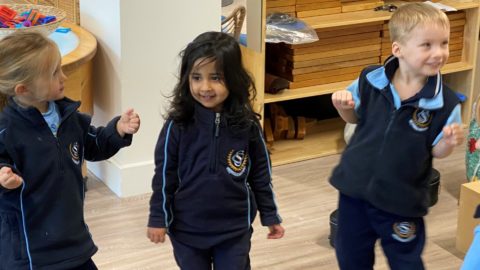
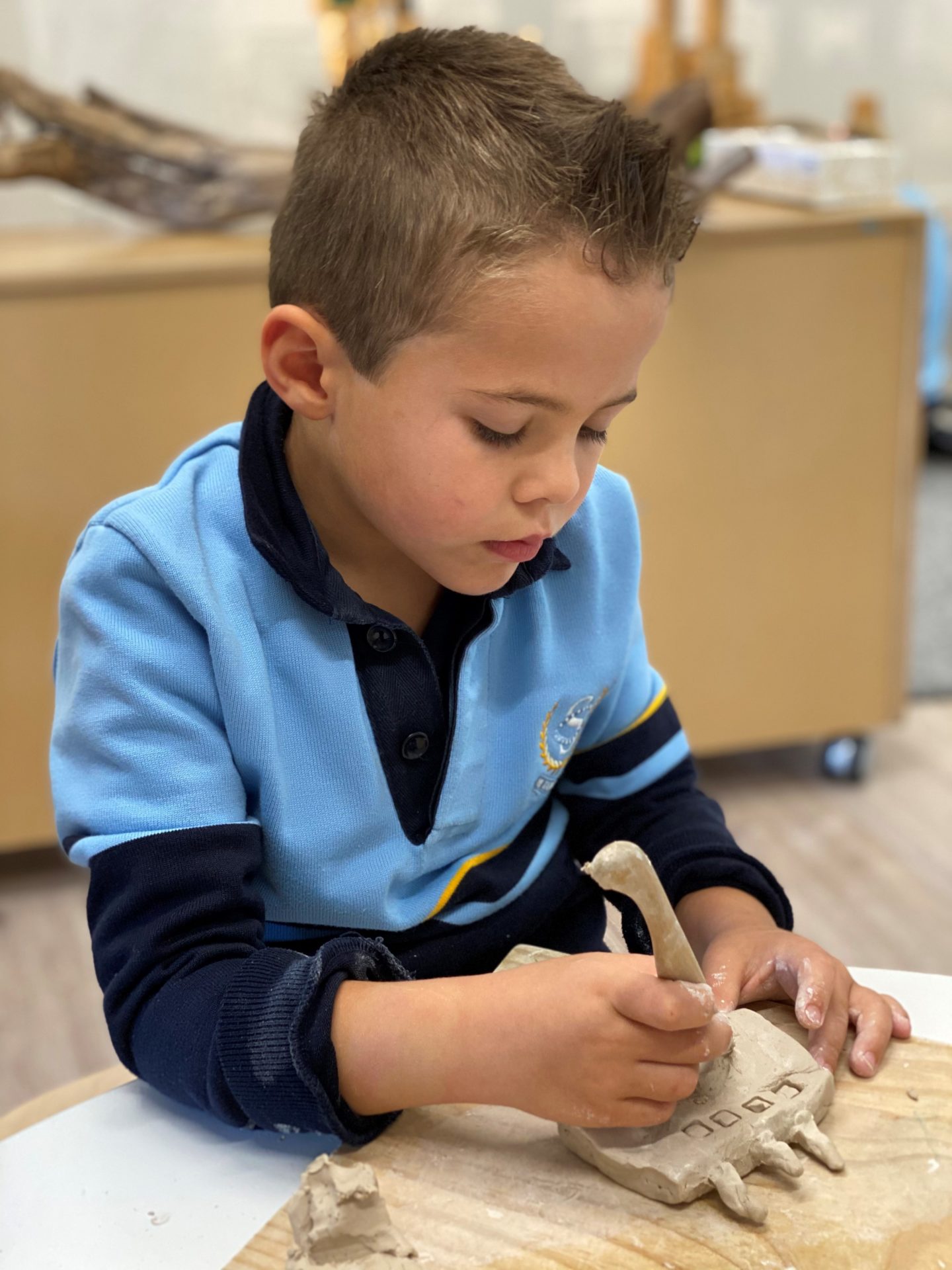 Communication is an integral part of our Early Learning Centre curriculum. From birth, children begin to learn to communicate with others for a range of purposes. They are intrinsically motivated to share their ideas, thoughts, questions and feelings and to use a range of tools and media to express themselves and connect with others. When children become part of a language-rich, group learning environment, they begin to implement all aspects of their communication.
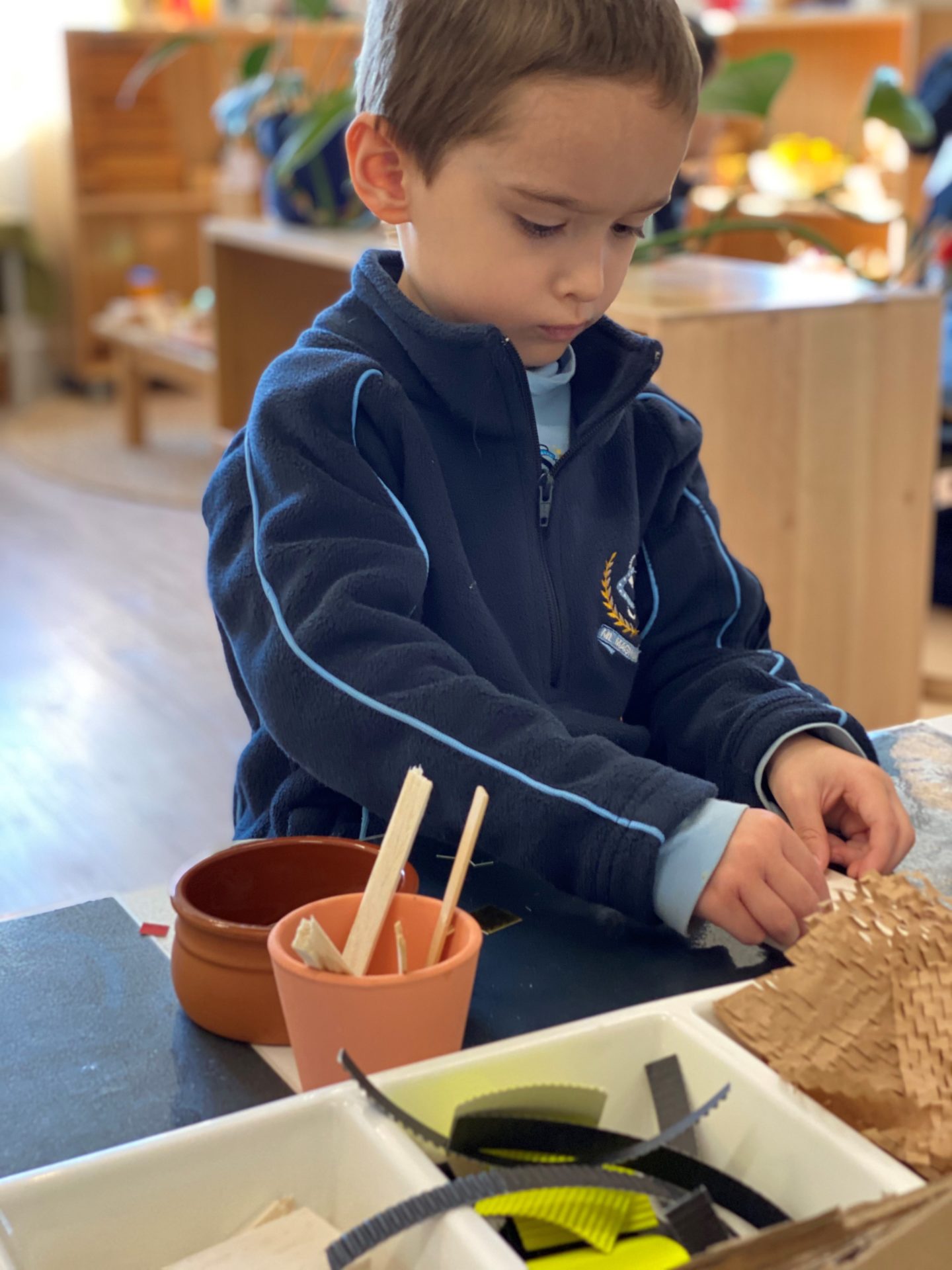 Through our early learning programs, we aim to work towards developing the children’s communication skills and understandings and assist them to become effective communicators in a range of contexts.
Learning Outcome 5: Children are effective communicators
5.1 Children interact verbally and non-verbally with others for a range of purposes
5.2 Children engage with a range of texts and gain meaning from these texts
5.3 Children express ideas and make meaning using a range of media
5.4 Children begin to understand how symbols and pattern systems work
5.5 Children use information and communication technologies to access information, investigate ideas and represent their thinking
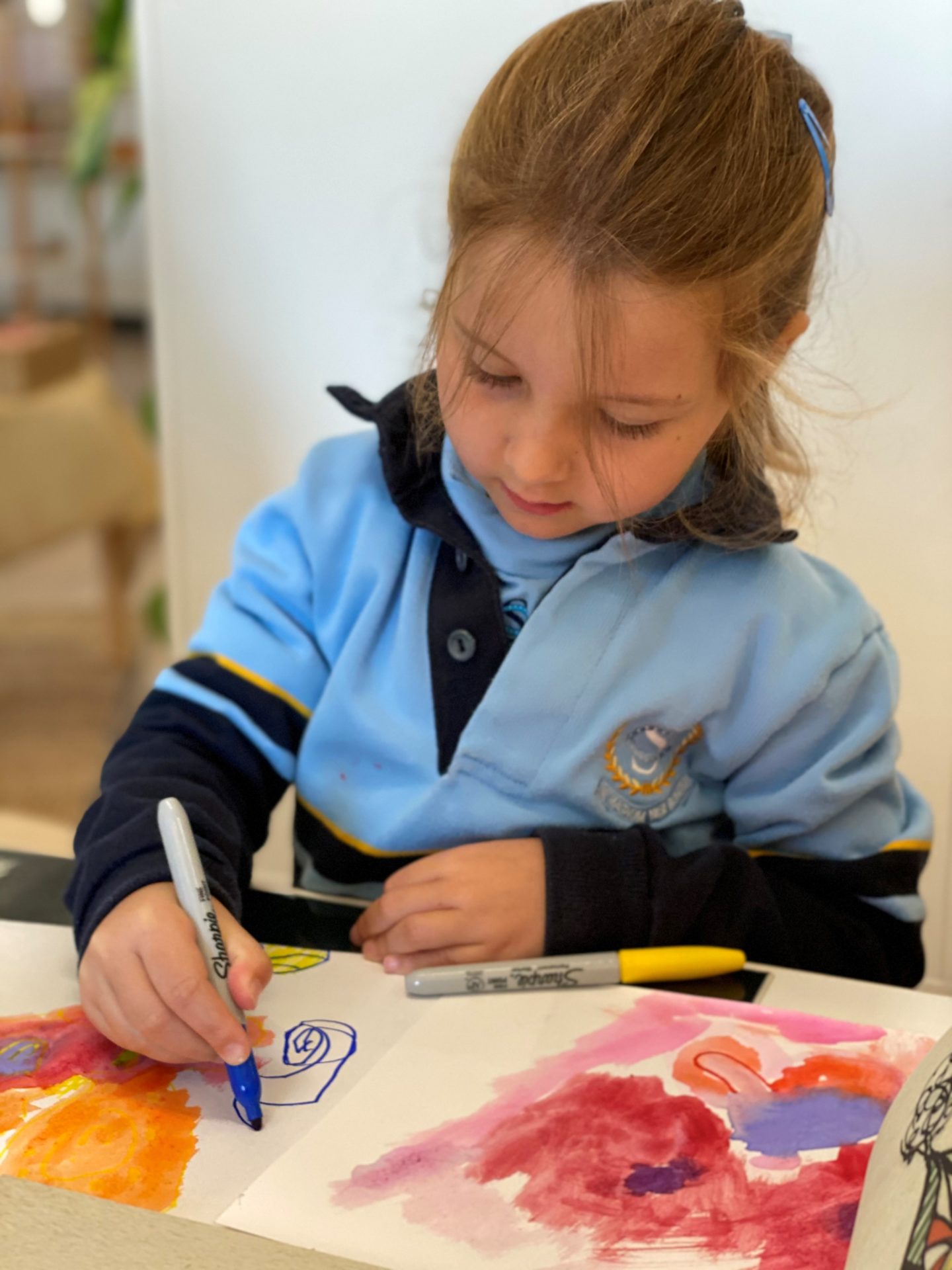 Literacy and numeracy capabilities are important aspects of communication and are vital to successful learning across the curriculum. Literacy and numeracy experiences are richly embedded in our early learning programs. It is critical that these experiences are relevant and meaningful in the context of the children’s lives.
“Positive attitudes and competencies in literacy and numeracy are essential for children’s successful learning. The foundations of these competencies are built in childhood.” Early Years Learning Framework for Australia
Literacy is the capacity, confidence and disposition to use language in all of its forms. Literacy incorporates a range of modes of communication including music, movement, dance, storytelling, visual arts, media and drama. It also includes electronic and print-based media. Children are exposed to a range of books and texts within the program. Print is displayed within the classroom learning environments and children have opportunities to engage with stories, learn songs, rhymes, poems and play with words. Children engage in regular conversation and discussion with their peers and educators. As they learn the roles of listening and speaking, they develop an understanding that conversation is a reciprocal exchange.
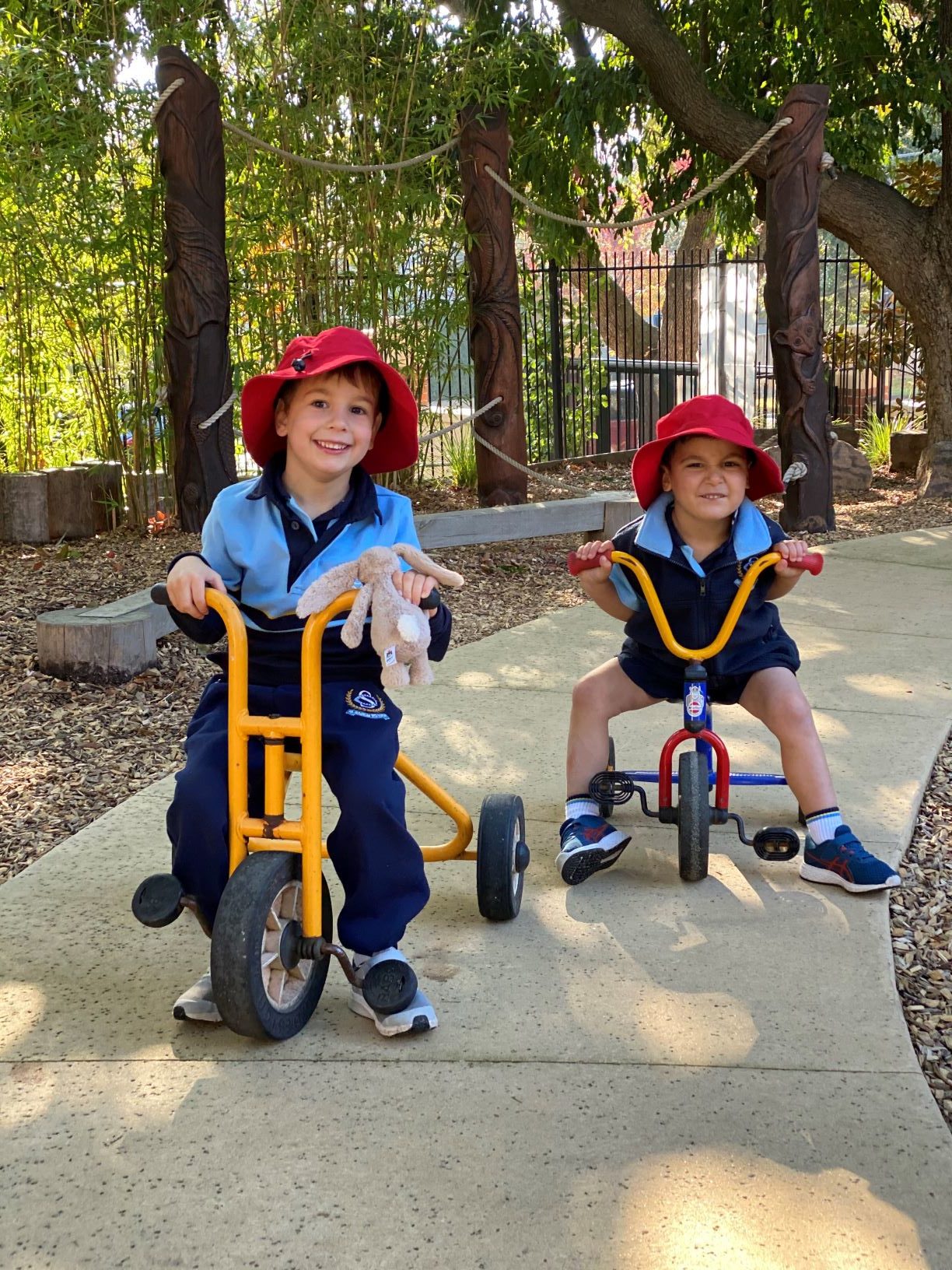
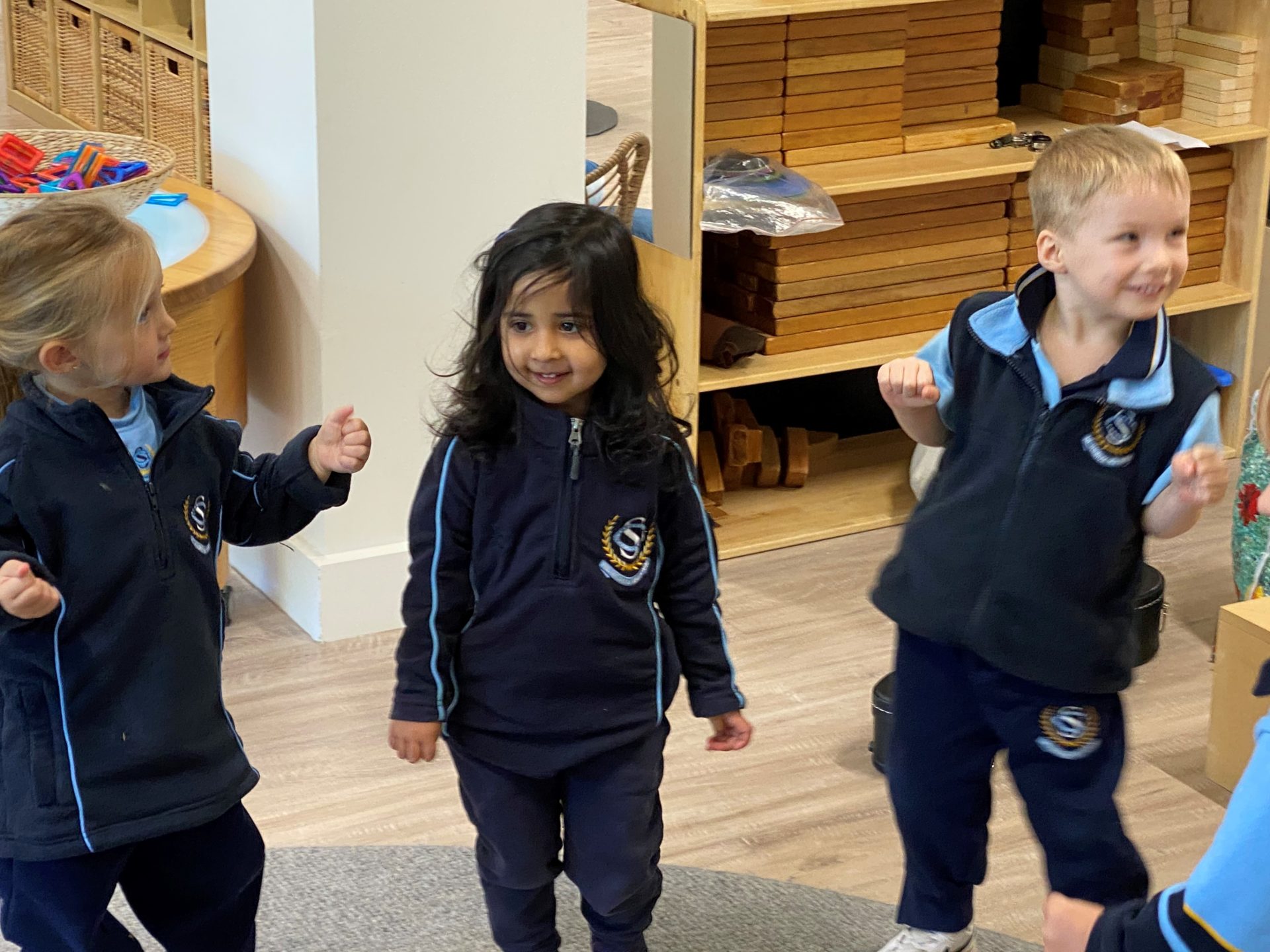
Numeracy is the capacity, confidence and disposition to use mathematics in daily life. Children are offered play and inquiry-based opportunities to explore and learn more about the concepts of number, shape, pattern, measurement, classification, time, currency, and space. It is important that children have opportunities to apply these understandings to everyday contexts so that they can discover how these understandings apply to daily life.
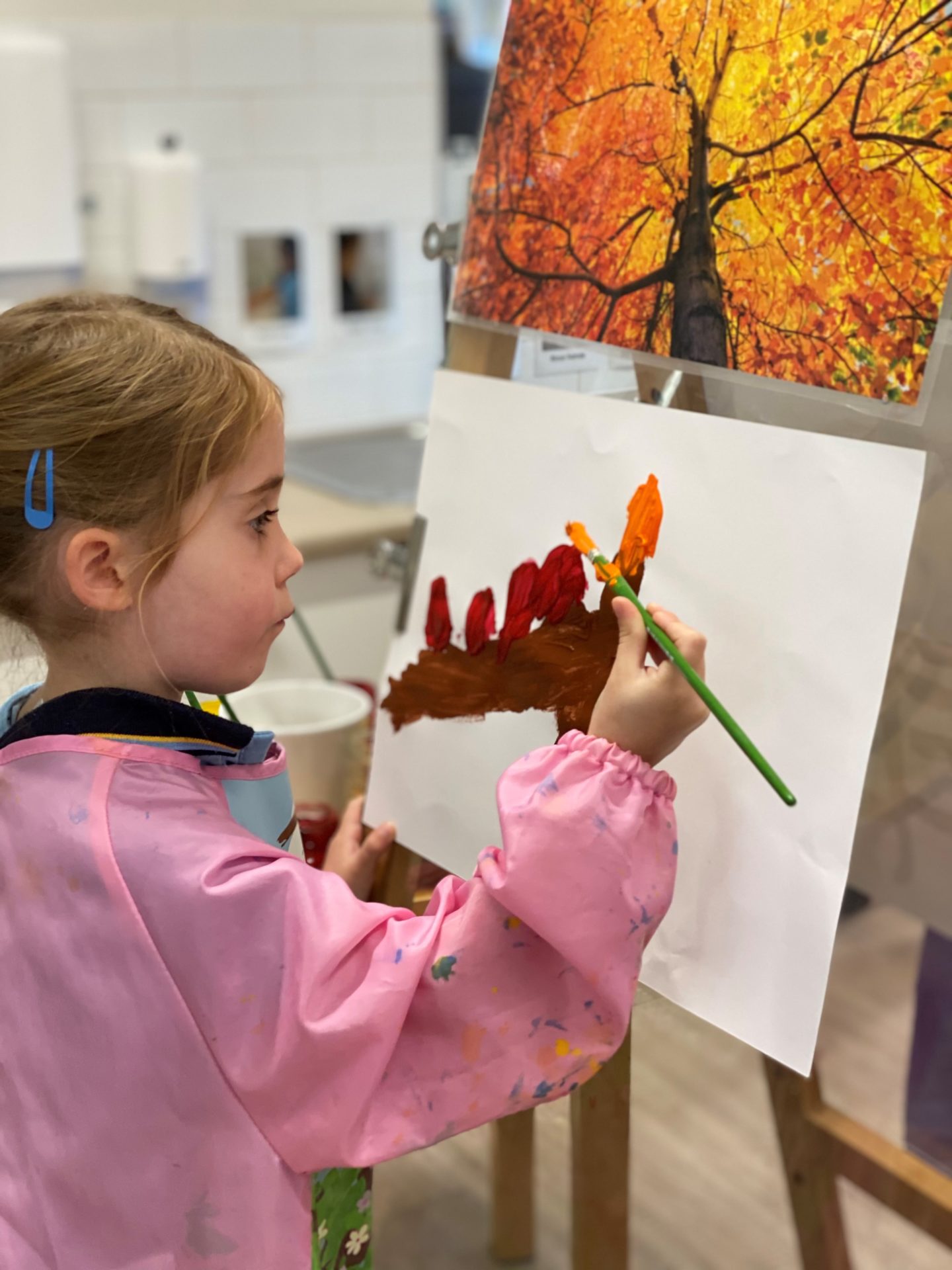 Technology is also integrated into the children’s play, experiences and inquiries. As the children learn new skills and techniques on how to use technology, they develop an understanding that technology can be used for exploring new information. The use of technology is not isolated, it is interactive as small groups of children and educators collaborate. Technology is integrated into the program for a specific purpose or a specific inquiry.
The frequent conversations and discussions echoing from the ELC classrooms are testament to the richness of the opportunities that are designed to enhance their children’s communication and assist them to become effective communicators over time.
—
Out of School Hours Care
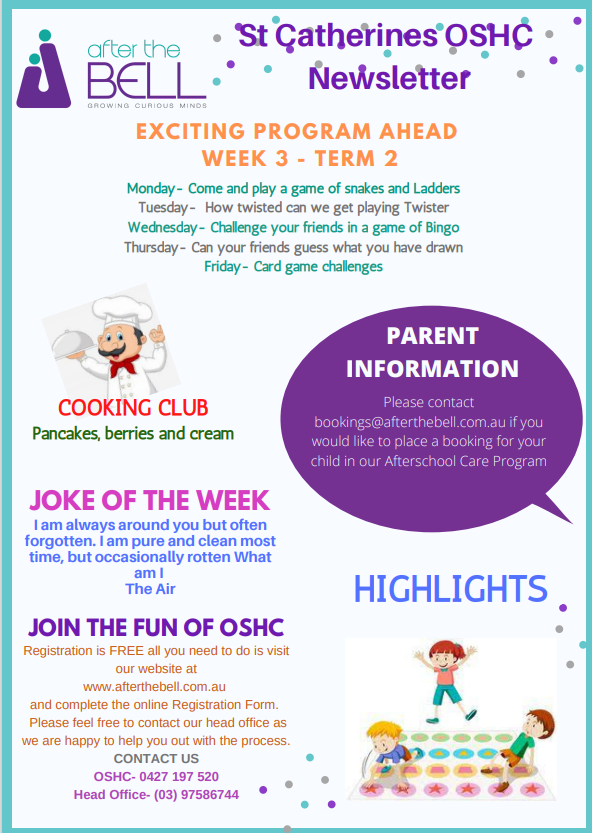 St Catherine’s School offers an Out of School Hours Care program to all ELC and Junior School families. The program is implemented by our provider ‘After the Bell’, and operates within the ELC building. Parents are reminded that if you need to use the Before School Care or After School Care service, registrations need to be made in advance with ‘After the Bell’. Please allow up to five business days for your registration to be processed before your child can begin attending the program. Registration is free. All families are encouraged to register so that you can use this service in the event that you are unable to pick up your child.
Before School Care – 7.00am to 8.45am
After School Care – 3.00pm to 6.00pm
Registrations can be completed via the ‘After the Bell’ website https://afterthebell.com.au/register-now/
Please phone 9758 6744 for all enquiries.