The Problem with Open Space Classrooms
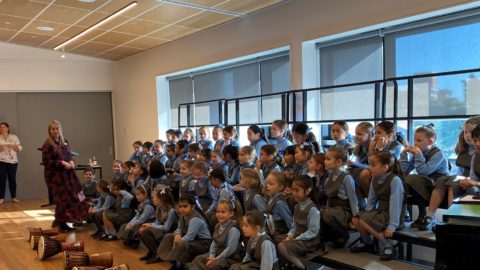
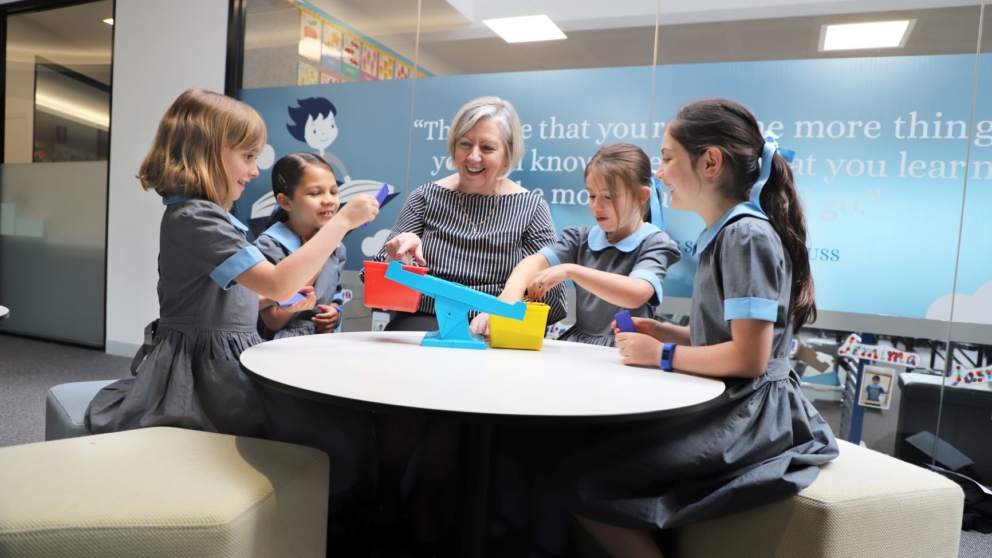 Open Space classrooms can be described as large open spaces, usually occupied by more than one class or multi-age classes. It features learning hubs where small groups of children work collaboratively with teachers or other students, while the rest are undertaking independent work. This style of classroom is ‘on the rise in Australian schools.’ While they claim to encourage the development of 21st century skills such as collaboration, communication, flexibility, the key question is whether they are effective for learning in the primary years setting. There are a number of considerations to be made when attempting to answer the question.
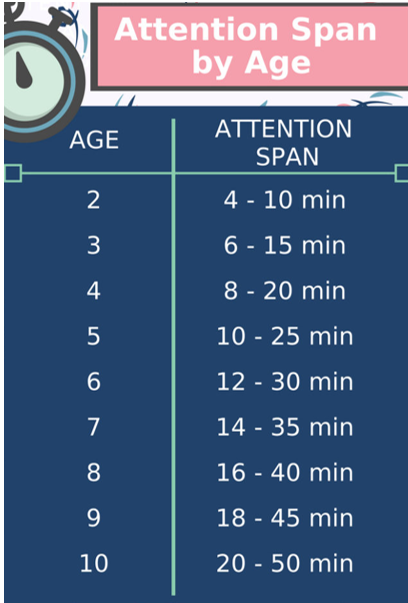 The first is the ability of a child to concentrate on the task at hand when others around them, and there could be many, are discussing topics and working collaboratively in close proximity to the learner. The noise generated in the area surrounding the learner could be quite loud and distracting. While the Attention Span by Age chart sets out the range of attention spans for each age group, it does not state the conditions under which the data was collected. Most data collection occurs in ideal conditions ensuring it is not influenced by other variables, therefore it would be reasonable to assume that a child’s attention span in less than ideal conditions would be less than those stated in the chart and would continue to reduce as noise increased. The conclusion drawn here would be that in noisy environments, a child’s ability to concentrate and think clearly would not be ideal.
The second consideration would be to question a child’s ability to cope with the learning process evident in open style classrooms. While some students may like the flexibility provided by the various hubs, most students thrive on the support of a well-structured, cohesive and familiar program of learning. Children like routine, and guidance and support to be close at hand; they often feel a little insecure or adrift when it is not. This decreases as students move through the primary years and develop independence, confidence, organisation and time management skills, and become self-directed learners.
The third would be safe-guarding close relationships are developed, ensuring teachers know each child and each child develops a close and safe relationship with teachers. The system required for teachers to keep track of what all students are doing at one time and how they monitor performance, provide support when needed, identify areas for improvement and know when a child is ready for a challenge or to stretch their learning, would need to be quite extensive and robust.
Children develop close relationships with their teachers as well, which engenders trust and supports the learning process. Can these close relationships develop for all children when there are large numbers in the open-space classroom? Small class sizes, as we have in Barbreck are ideal for these practices to occur; it must be challenging when multi-class or multi-age groups are working in the one space under the care of multiple teachers.
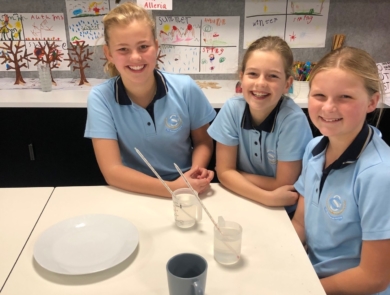 The Australian Curriculum explains that “21st century learning is the development of a highly valuable skill set for the future. 21st century skills are flagged as critical for the digital and evolving economy. Instead of specific subject knowledge, 21st century skills are ways of thinking, ways of working and ways of living.” As we can see, the aim is for students to possess these skills when they leave school in Year 12.
While children begin to learn these skills in primary school, this learning must occur in a setting that is suitable to their age and stage of learning development. That is not to say that children cannot work in hubs or in collaborative learning settings, undertake independent studies or work with multiple teachers as they develop their ability to function effectively and independently, for example, concentrate and guard against distractions, cope in highly flexible learning environments, be self-directed and self-managed, as well as being highly organised. It is for parents, who know their child best, to question whether they could cope and achieve to their best in an open-plan space in their primary years.